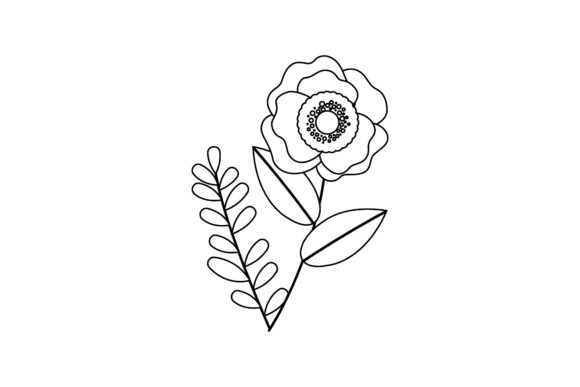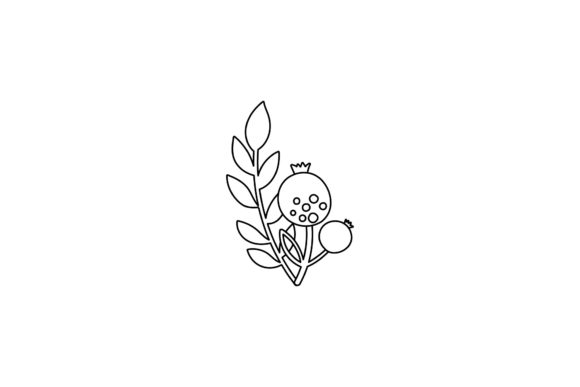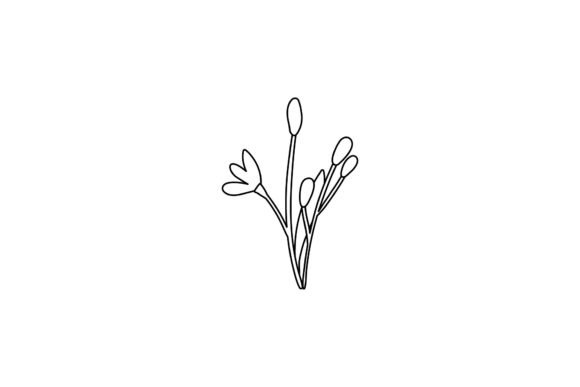
Flowers Illustrations Line Style Graphics for Freebies
In the world of digital publishing, a blog is only as strong as its visual identity. As a designer who has spent years building content platforms and managing editorial workflows, I know that readers form an opinion about your authority within seconds of landing on a page. That is why I recently tested Flowers Illustrations Line Style, a graphic design asset designed to elevate everything from featured images to newsletter headers. This review explores how this specific vector design fits into a real-world content strategy, focusing on editorial quality, brand trust, and the practicalities of using free design assets in commercial projects.
The Editorial Mood and First Impression
When I first opened the file set, the immediate feeling was one of refined minimalism. Unlike heavy, textured floral patterns that can sometimes feel cluttered or dated, Flowers Illustrations Line Style offers a clean, modern aesthetic. The line work is precise, creating a sense of elegance without overwhelming the viewer. For a publisher, this translates to a sophisticated mood that suggests care and attention to detail.
This style naturally supports niches that value lifestyle, wellness, creativity, and education. It feels particularly well-suited for blogs focused on home decor, gardening, fashion, beauty, or personal development. The artwork strikes a balance between being playful and professional, making it versatile enough for a serious guide on sustainable living or a cheerful post about spring trends. When used correctly, these graphics signal to the reader that the content behind them is polished and trustworthy.
Integrating the Asset into Your Publishing Workflow
Imagine you are preparing a new series of articles for your affiliate marketing site. You need a cohesive look for your category pages, social media teasers, and email newsletters. This is where Flowers Illustrations Line Style Vector Design Graphic suitable for your design needs logos, illustrations, animations, t-shirt designs, etc. Vector files. Openable, editable, and resizable without lo becomes invaluable. Because the files are vector-based, they remain crisp regardless of the output size, which is critical for maintaining high editorial standards across different devices.
I utilized these graphics in several key areas of my workflow:
- Blog Featured Images: The clean lines allow text overlays to pop, ensuring headlines remain readable even when placed over complex backgrounds.
- Pinterest Pins: The vertical orientation of many floral compositions works perfectly for Pinterest, driving traffic back to the original article with a visually appealing hook.
- Digital Guides and Lead Magnets: I used the illustrations to decorate the covers of downloadable PDFs and worksheets. The professional look adds perceived value to what would otherwise be a simple freebie.
- Newsletter Headers: A subtle floral accent at the top of an email campaign softens the message and increases open rates by adding a touch of personality.
- Social Media Graphics: Whether for Instagram stories or Facebook posts, these assets help maintain a consistent brand identity across all channels.
Boosting Content Performance and Reader Trust
Visual hierarchy is the backbone of effective web design. By incorporating Flowers Illustrations Line Style into your layout, you create a clear path for the eye to follow. Stronger first impressions lead to longer dwell times, and consistent branding fosters deeper reader trust. When a website looks cohesive, visitors are more likely to perceive the author as an expert in their field.
Furthermore, these graphics support better click-through potential. A well-designed thumbnail that uses these elegant lines stands out in a crowded feed, encouraging users to stop scrolling and engage with your content. In the realm of content marketing, every pixel counts. Using high-quality design assets ensures that your message is not lost in a sea of generic imagery. It elevates your brand identity from amateur to professional, which is essential for small business owners and creative entrepreneurs looking to scale.
Where These Graphics Shine Brightest
While there are many places to use this asset, certain applications yield the best results. Hero images benefit significantly from the artistic flair, setting the tone for the entire article. Category visuals act as signposts, helping readers navigate your site with ease. Additionally, these illustrations are perfect for editorial accents—subtle flourishes that break up long blocks of text and keep the reader engaged.
If you are creating a digital product or a printable design, such as a planner or a journal, these flowers add a layer of sophistication that justifies a higher price point. They also serve as excellent background elements for Canva templates, allowing you to quickly generate branded materials for your audience.
Strategic Caution: Where to Use Carefully
However, no single asset is a magic bullet. There are scenarios where Flowers Illustrations Line Style might not be the right choice. If you are designing for a highly technical niche, such as corporate finance or legal services, these decorative elements could undermine the seriousness of your content. Similarly, on small mobile thumbnails, intricate line details can become muddy and indistinguishable.
Be cautious when placing these graphics on low-contrast backgrounds or within busy layouts where they might compete with your primary call-to-action buttons. If your website relies on a strictly minimal visual system, adding floral elements might disrupt the intended austerity. Always consider the context of your commercial design project before applying any decorative element.
Practical Publisher Notes for Implementation
To get the most out of this freebie, I recommend following a strict testing protocol before deploying the graphics live. First, test the asset on both desktop and mobile screens. What looks balanced on a large monitor may appear cramped on a phone. Check how the image behaves as a thumbnail; ensure the focal point remains visible even when scaled down.
Preview the graphic inside a real blog layout to see how it interacts with your typography. Try pairing the illustration with various font styles. It often pairs beautifully with serif fonts for a classic editorial look, but it can also stand out against bold sans-serif typefaces for a modern twist. Test the contrast by viewing the image in black and white to ensure the line weight holds up without color.
Don't forget technical performance. Review the file size to ensure it does not slow down your website load times. Properly compress images for the web without sacrificing clarity. Finally, and most importantly, confirm your commercial license. Even though these are listed under Freebies, using them on monetized websites, affiliate pages, or paid content products requires explicit permission. Ensure you have the rights to use the graphic design asset for your specific business model.
In conclusion, Flowers Illustrations Line Style is a versatile tool that can transform the visual landscape of your digital publishing efforts. By integrating these modern design elements thoughtfully, you create a more engaging, trustworthy, and professional online presence. Whether you are building a personal blog or a full-scale media empire, paying attention to the details of your creative design can make all the difference in connecting with your audience.