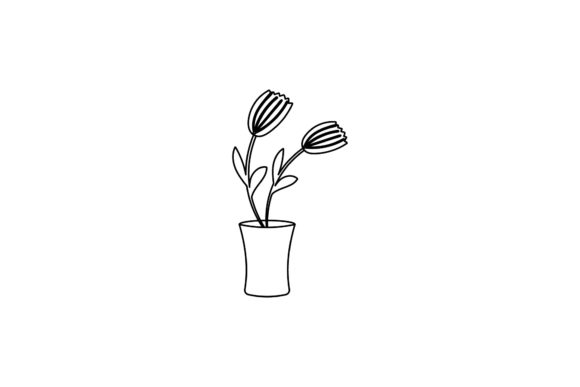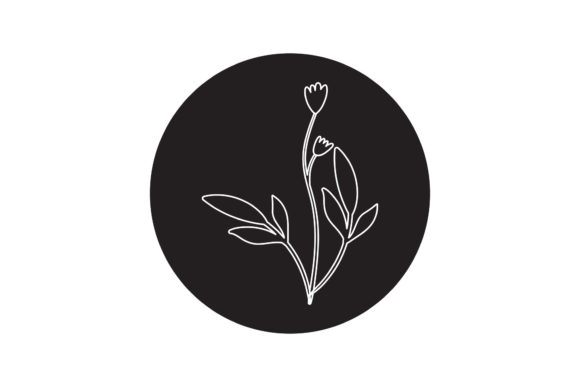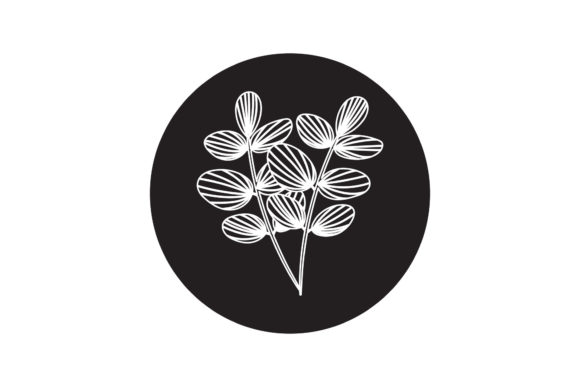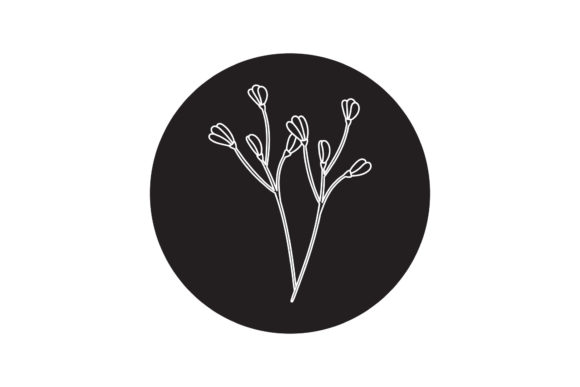
Flowers Botany Line Style Graphics for Freebies Projects
I recently received a brief from a client launching a new line of organic skincare products. They wanted something that felt botanical, clean, and modern but didn't want the design to look generic or overused. They specifically asked for illustrations that could scale from a tiny social media icon to a large packaging label without losing their crispness. That is when I decided to evaluate Flowers Botany Line Style as a potential core asset for this project. As a designer who lives in vector files and spends hours tweaking curves, my first impression of this collection was immediate clarity. It isn't just a pile of clipart; it feels like a cohesive system designed for professional use.
The Visual Mood and First Impressions
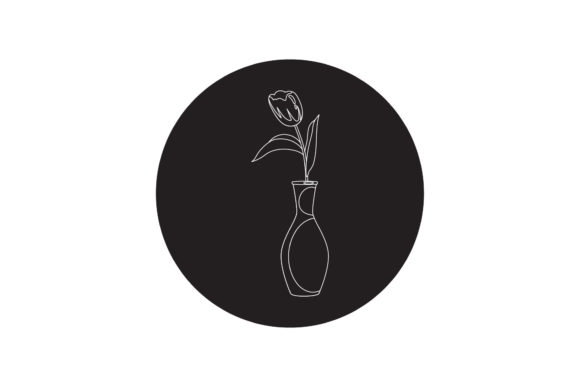
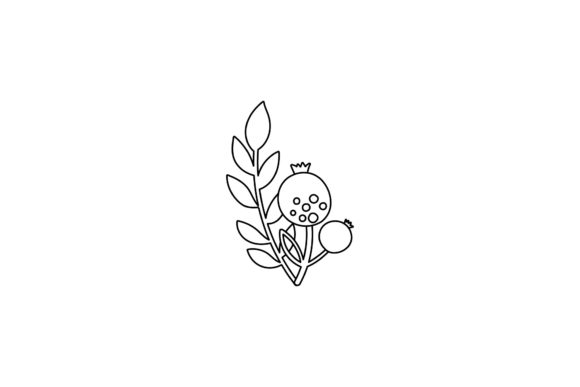
When you open the file, the aesthetic is instantly recognizable as contemporary botanical art. The style relies on fine, continuous lines that evoke a sense of elegance and minimalism. Unlike heavy, shaded illustrations that can feel dated, these graphics rely on negative space and stroke weight to create depth. This creates a mood that is airy, sophisticated, and highly versatile. For a brand identity project, this specific visual language suggests trustworthiness and natural purity. It naturally fits projects that require a touch of organic warmth without overwhelming the viewer with busy details. Whether you are working on a wedding invitation suite or a boutique clothing line, the Flowers Botany Line Style offers a polished foundation that elevates the perceived value of the final product.
Real-World Application: From Logo to Packaging
In a real client scenario, versatility is everything. I tested how these assets perform across various mediums, starting with logo design. The clean lines make them excellent candidates for minimalist logos where the graphic needs to be legible at small sizes. Because they are vector files, they remain sharp whether placed on a business card or a billboard. I also explored their potential for packaging design. Imagine a tea box or a cosmetic jar; placing a delicate floral line drawing next to elegant typography creates a balanced composition that draws the eye without cluttering the label.
Beyond physical goods, these graphics shine in digital spaces. For marketing visuals on Instagram or Pinterest, they serve as perfect decorative accents. They work beautifully as background elements for blog posts, adding a layer of texture that keeps the content engaging without distracting from the text. I also considered their utility for print-on-demand sellers. A t-shirt design featuring a single stem from this collection looks modern and high-end, while a tote bag design could feature a clustered arrangement for a bolder statement. The ability to resize without losing quality means you can create a comprehensive design bundle for a client that includes everything from website headers to downloadable wallpapers.
Where This Asset Shines Best
This collection excels in specific contexts where simplicity meets sophistication. It is ideal for:
- Hero Graphics: Using a large-scale floral element to anchor a landing page or event poster.
- Product Mockups: Overlaying these designs onto packaging templates to visualize the final result.
- Decorative Accents: Adding subtle flourishes to corners of invitations or editorial layouts.
- Themed Collections: Creating a unified look for a seasonal campaign or holiday series.
- Social Media Posts: Designing pins and stories that need to stand out in a crowded feed.
Strategic Limitations and Cautionary Notes
While I am impressed by the quality, a professional review must acknowledge where an asset might struggle. Flowers Botany Line Style is not a one-size-fits-all solution. In crowded layouts or complex backgrounds, the thin lines might get lost if the contrast isn't managed carefully. If your design requires a very strong visual hierarchy with bold, blocky elements, these delicate graphics might feel too soft unless balanced correctly.
There are also scenarios where this style should be used with discretion. For example, in corporate branding for a law firm or a financial institution, the organic nature of the flowers might clash with the need for rigid, authoritative imagery. Similarly, if you are designing for extremely small applications, such as a favicon or a mobile app icon, the intricate details of the line work might blur into indistinguishability. Always test the asset at the smallest intended size before committing to it for a commercial project.
Technical Checks for Commercial Use
Before integrating any freebie into a paid client project, there are technical steps every designer must take. First, I always convert the design to black and white to ensure the shapes hold up without relying on color. Next, I check the contrast on both light and dark backgrounds to verify readability. Since this is a vector-based asset, I inspect the SVG editability to ensure paths are clean and nodes are optimized. If PNG transparency is included, I zoom in to check for jagged edges or halos around the vectors.
It is also crucial to consider the surrounding typography. These line-style graphics often pair best with serif fonts for a classic look or clean sans-serif fonts for a modern feel. They generally do not mix well with overly decorative script fonts unless the goal is a specific vintage aesthetic. Finally, never assume the license allows for unlimited commercial use. You must confirm the commercial license terms explicitly. Even though these are listed under Freebies, some creators restrict resale or require attribution. Verifying the commercial design rights protects both you and your client from legal issues down the road.
Final Verdict on the Design Potential
For designers, crafters, Cricut users, and digital sellers, Flowers Botany Line Style represents a high-value resource. It bridges the gap between simple clipart and custom illustration, saving hours of manual drawing time while maintaining a professional standard. Whether you are creating a sublimation design for mugs, a sticker design for an Etsy shop, or a full brand identity for a handmade business, this asset provides a reliable visual anchor. Its ability to adapt to various formats—from Cricut projects to Canva templates—makes it a staple in any creative marketplace toolkit. By understanding its strengths and respecting its limitations, you can leverage this graphic to produce work that feels intentional, polished, and deeply connected to the natural world.