Flowers Botany Vectors: Premium Graphics & Freebies for Local Brands
I recently received a brief from a local boutique owner who wanted to rebrand her handmade soap line. She needed visuals that felt organic, trustworthy, and elegant enough to sit on a shelf next to expensive competitors. That is when I pulled up Flowers Botany Vectors for a deep dive. As an experienced brand designer, I do not just look at pretty pictures; I evaluate how a graphic design asset functions within a real-world commercial context. This review breaks down exactly how these botanical elements can elevate your small business branding, from product labels to social media campaigns.
The First Impression: Mood and Brand Personality
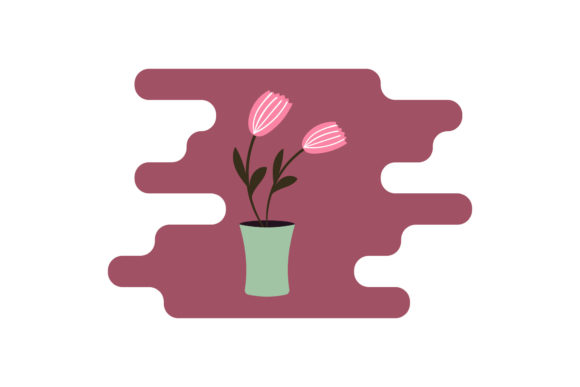
When you first open the files, the immediate feeling is one of natural elegance. The Flowers Botany Vectors possess a soft, hand-drawn quality that suggests authenticity rather than mass production. For a local business, this is crucial. It signals to the customer that the product was crafted with care. The lines are clean yet organic, making it perfect for brands that want to project a handmade business vibe without looking amateurish.
This asset creates a mood that is both welcoming and sophisticated. It works exceptionally well for skincare, artisanal food products, candle makers, and florists. The botanical theme allows for a connection to nature, which builds customer trust in today's market where consumers crave transparency and organic origins. Whether you are designing for a rustic bakery or a modern wellness brand, these graphics provide a visual language that feels grounded and premium.
Real-World Application: Packaging and Product Labels
The true test of any design element is its performance on physical packaging. In my recent project for the soap brand, I used these vectors to create custom product labels. Because the files are fully editable vectors, I could scale them up for a large box header or shrink them down for a tiny hang tag without losing any resolution. This is the power of having high-quality design assets.
- Product Labels: Use the floral clusters as background textures behind your ingredient lists or as corner accents to frame your logo.
- Packaging Design: Integrate the stems and leaves into the overall pattern of your boxes to create a cohesive unboxing experience.
- Hang Tags: These graphics are ideal for adding a touch of luxury to simple paper tags attached to clothing or gift items.
- Stickers: Create die-cut stickers using the isolated flower elements to seal envelopes or decorate jars.
The ability to resize without losing quality ensures that your professional branding remains sharp whether printed on a massive billboard or a microscopic bottle cap. This flexibility is essential for local business owners who often need to adapt their visuals across different mediums.
Elevating Visual Hierarchy and Shelf Appeal
In a crowded marketplace, visual hierarchy is the difference between a sale and a missed opportunity. A well-designed label guides the eye to the most important information first. Flowers Botany Vectors serve as excellent decorative brand elements that support the text rather than fighting it. By placing these illustrations strategically, you can direct attention to your product name or key selling points.
For packaging design, these graphics help establish a stronger first impression. When a customer picks up a jar of honey or a bar of soap, the subtle botanical details add depth and texture that flat colors cannot achieve. This improved aesthetic leads to better shelf appeal and a more polished marketing visual. It transforms a generic container into a branded experience, fostering a deeper emotional connection with your audience.
Where These Graphics Shine Best
While these assets are versatile, they perform best in specific scenarios where decoration enhances the story. They are perfect for hero graphics on your website homepage or landing pages. Imagine a banner for a seasonal campaign featuring a wreath made from these vector flowers. It instantly sets the tone for the promotion.
They also excel in social media graphics for platforms like Instagram and Pinterest. You can use the isolated elements to create frames for product photos or to design promotional ads that feel cohesive with your physical packaging. For editorial design in lookbooks or catalogs, these illustrations add a layer of sophistication that elevates the entire presentation. If you are creating a Canva template for your team, these vectors provide a consistent foundation for all your marketing visuals.
Strategic Caution: Where to Use Carefully
Even the best commercial design tool has its limitations. While Flowers Botany Vectors are beautiful, they should not be forced into every context. Avoid using heavy floral patterns on very small labels where the detail will blur into a mess. Similarly, if you are designing a layout that is already crowded with legal information, ingredients, and nutritional facts, these graphics might compete for space and confuse the reader.
Be cautious with formal corporate branding or luxury minimalist brands that rely on stark white space. In those cases, a busy botanical illustration might detract from the sleek, modern aesthetic required. Also, ensure you have sufficient contrast. If you place light-colored flowers on a pastel background, the visual hierarchy will collapse, making the design look muddy. Always preview the graphic on a low-contrast background to ensure legibility.
Essential Designer Notes for Implementation
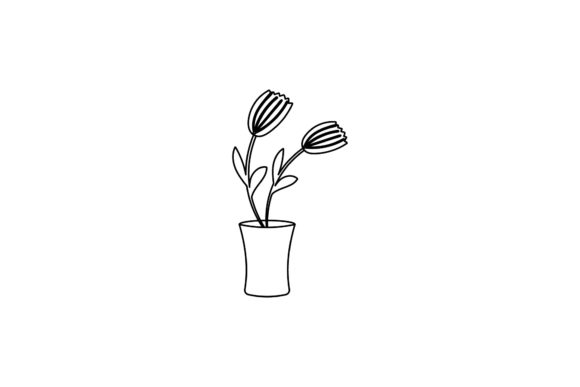
Before integrating these graphics into your final project, there are several practical steps every designer must take. First, test the asset on a real product mockup. Seeing the vector on a digital render of a bottle gives you a much clearer idea of how it will look in 3D space. Check how the black and white versions look, as this is critical for monochrome printing or embossing processes.
You must also inspect the file editability. Confirm that the paths are closed and the layers are organized so you can easily change colors to match your brand identity. Compare the style against competitor packaging to ensure your brand stands out rather than blending in. If you are using a SVG design format, verify that the strokes are scalable. If you are exporting to PNG, check the transparency edges for jagged pixels.
Finally, typography pairing is key. Test these botanicals beside serif fonts for a classic look, sans-serif fonts for a modern feel, or script fonts for a feminine touch. Ensure the font weight balances the line weight of the illustrations. Most importantly, always confirm your commercial license before using these assets for client work or physical product sales. Understanding the terms of use protects your business and ensures ethical creative marketplace practices.
Final Thoughts on Commercial Potential
Using Flowers Botany Vectors as part of your digital product strategy or physical branding kit is a smart move for creative entrepreneurs. They offer the versatility needed for everything from logo design to web design projects. By treating these freebies as professional tools rather than just clipart, you unlock their full potential to build a recognizable and trusted brand. Whether you are launching a new food label or refreshing a boutique store identity, these graphics provide the decorative polish needed to succeed in a competitive market.